
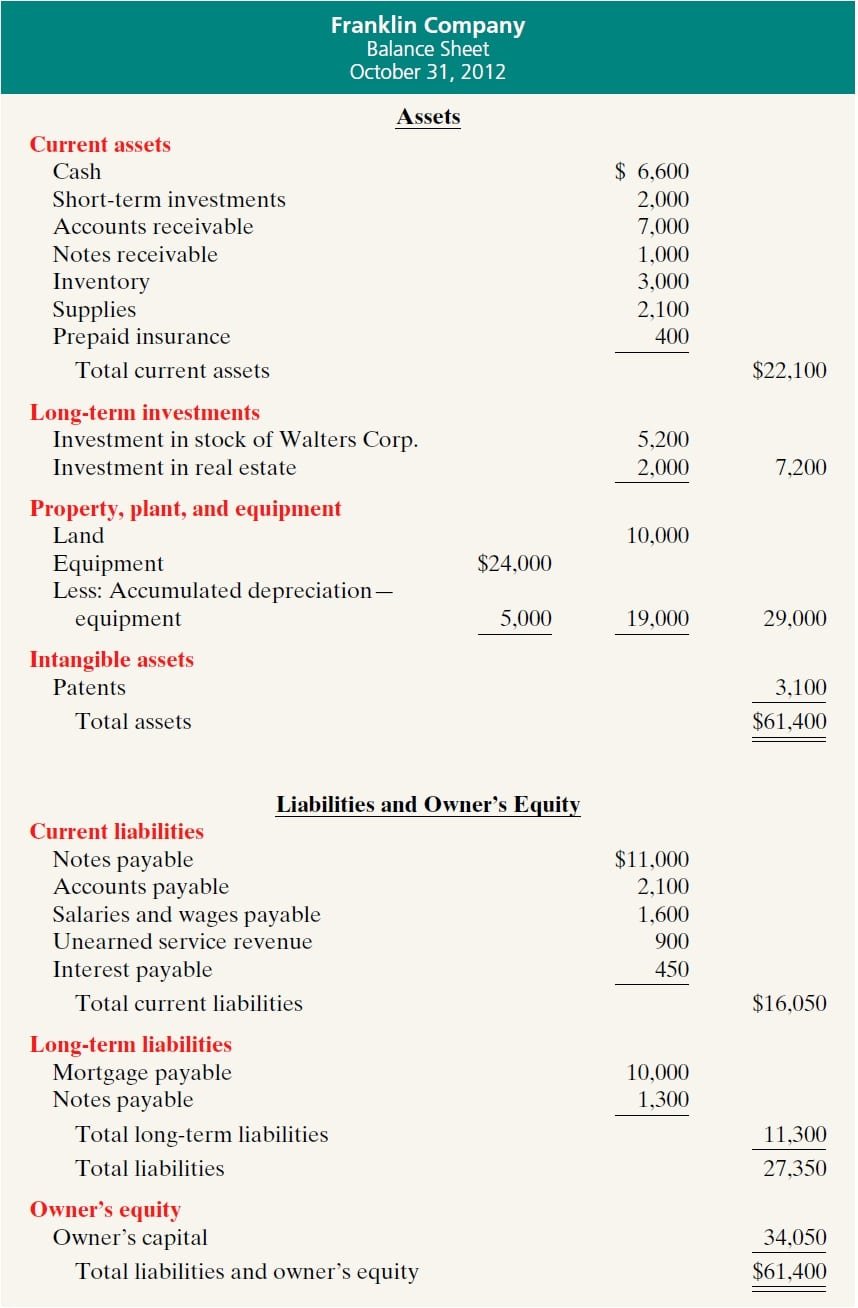
Balance sheets provide the basis for computing rates of return for investors and evaluating a company’s capital structure. When you buy stock in a company, you buy a percentage ownership of that business. How much of the business your one share buys depends on the total common stock outstanding, a figure you can easily determine using the company’s balance sheet. Unlike a loan, cash generated from stock issues doesn’t have to be paid back. Instead, when a company offers stock, it confers ownership of a portion of the business to the buyer. In issuing its common stock, a company is effectively selling a piece of itself.
How to Invest in Preferred Stock

They carry greater risk than assets like CDs, preferred stocks, and bonds. Over the long term, stocks tend to outperform other investments but in the short term have more volatility. For a company to issue stock, it initiates an initial public offering (IPO). An IPO is a major way for a company seeking additional capital to expand the enterprise. To begin the IPO process, a company works with an underwriting investment bank to determine the type and price of the stock. Once the IPO is complete, the stock becomes available for purchase by the general public on the secondary market.
How to Use an Investment Portfolio to Calculate WACC
- Common stock in balance sheet is a representation of the journal entry of all the common stocks that have been issued by a company.
- With Taxfyle, your firm can access licensed CPAs and EAs who can prepare and review tax returns for your clients.
- Long-term liabilities are obligations that are due for repayment in periods longer than one year, such as bonds payable, leases, and pension obligations.
- Calculating common stock on a balance sheet is a fundamental task that provides insight into a company’s ownership structure and financial health.
- Current liabilities are debts typically due for repayment within one year, including accounts payable and taxes payable.
Let’s say that Helpful Fool Company has repurchased 500 shares in this year’s buyback program. The company now has 5,000 authorized shares, 2,000 issued, 500 in treasury stock, and 1,500 outstanding. The outstanding stock is equal to the issued stock minus the treasury stock. The common stock calculation on the balance sheet is used to determine the book value of the company’s common stock.
Finding the Total Par Value of Common Stock
The shareholders equity ratio measures the proportion of a company’s total equity to its total assets on its balance sheet. Depending on the business performance, the value of shares go up or down. Thus, it can be said that common stock have high return but high risk too.
When buying a stock, investors don’t have to wonder exactly what type of stock it is. Treasury shares would be deducted from total shares only when they exist. However, because of how they differ from common stock, investors need a different approach when investing in them. Both common stock and preferred stock have pros and cons for investors to consider. Looking at the same period one year earlier, we can see that the year-over-year (YOY) change in equity was an increase of $9.5 billion.
The company hasn’t taken action yet; it’s just gotten approval to take action and sell some shares if it chooses to. As an example, let’s say that a fictional business, the Helpful Fool Company, has authorized 5,000 shares. There are several reasons why it is important to calculate common stock on the balance sheet. No, common stock is not a real asset because its value does not come directly from its physical properties. Common stock is a financial asset because it is a non-physical contract that confers an equity ownership stake in a company. Public companies need extra cash for many purposes, including upgrading production facilities, expanding into new markets, and pursuing acquisitions.
We expect to offer our courses in additional languages in the future but, at this time, HBS Online can only be provided in English. As with assets, these should be both subtotaled and then totaled together. depreciation schedule for computers After you’ve identified your reporting date and period, you’ll need to tally your assets as of that date. Ask a question about your financial situation providing as much detail as possible.
Smaller companies that can’t meet the listing requirements of these major exchanges are considered unlisted and their stocks are traded over the counter. Stockholders’ equity is also referred to as shareholders’ or owners’ equity. Adam Hayes, Ph.D., CFA, is a financial writer with 15+ years Wall Street experience as a derivatives trader. Besides his extensive derivative trading expertise, Adam is an expert in economics and behavioral finance.